

Introduction
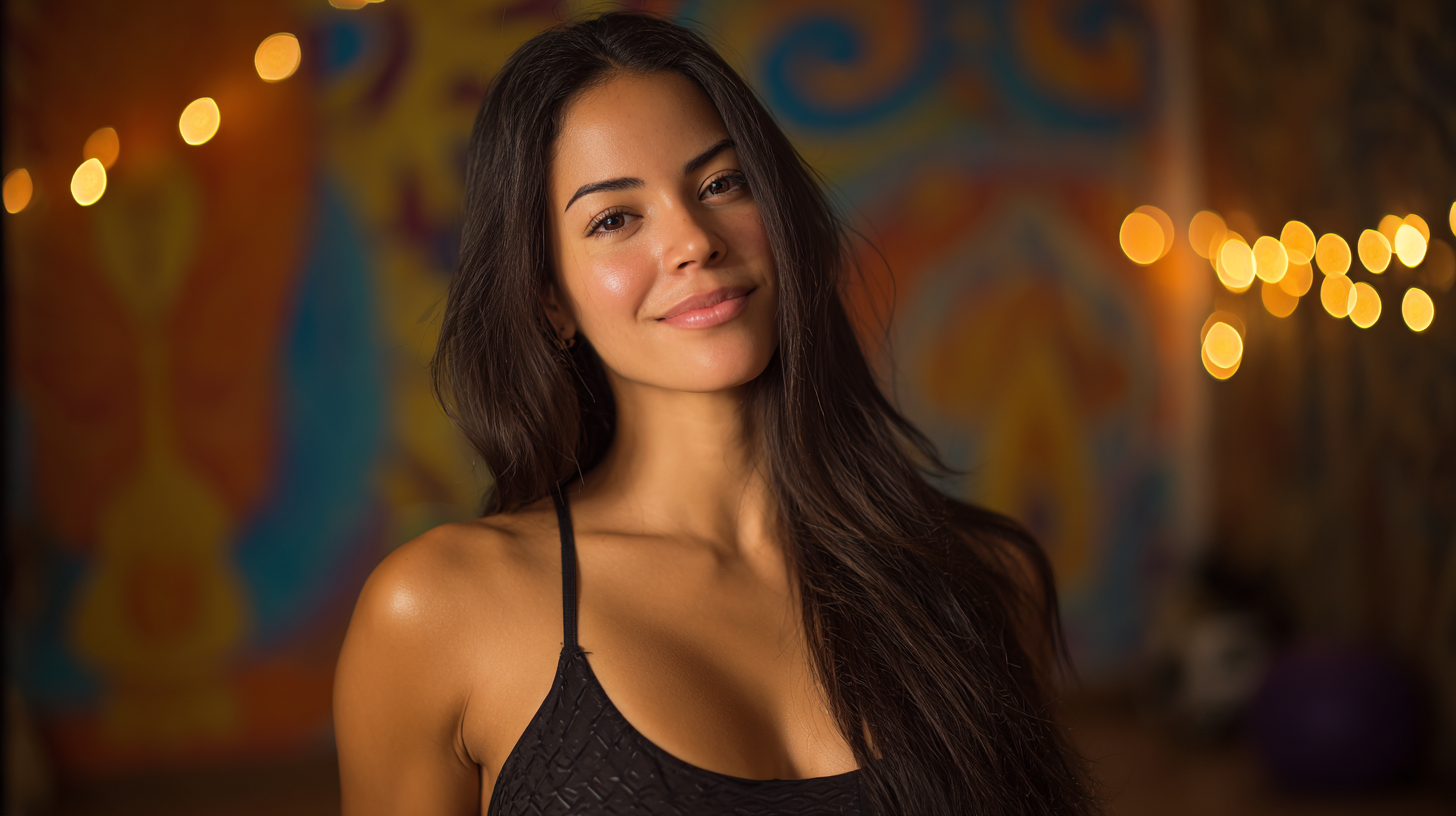
I’ve lived in Venezuela long enough to stop being surprised by it, yet somehow the women still catch me off guard. Not in a dramatic postcard way. More in that everyday reality where you’re buying mango at a sidewalk stand and the vendor’s daughter looks like she should be on a fashion magazine cover but she’s just laughing, hair up in a loose tie, skin glowing like she stepped straight out of the sun. People ask me why Venezuelans are so beautiful, and I never know how to answer in one sentence.
There’s something about life here that shapes how women show themselves. It isn’t only Venezuelan beauty standards—although yes, they’re strong and visible. It’s the way women grow up around family gatherings, music, constant movement, constant social presence, a culture where you get used to being looked at, not judged, just seen. Every woman I’ve dated here, from Isabella in Caracas to Andreína in Maracaibo, moved through the world knowing her value without needing to declare it.
A beautiful woman doesn’t apologize for being noticeable. She walks like she expects attention but doesn’t beg for it. And the truth is, she usually gets it. All shapes, all backgrounds, that diverse heritage mix you can’t fake or manufacture. The African influence, the Spanish, Indigenous, Caribbean lines — it produces faces that are impossible to categorize and impossible to forget.
I remember sitting at a street café my second month in the country. A woman passed by, not dressed up, not styled for Instagram, just casual jeans and a T-shirt. A simple ponytail. Zero makeup. She had that natural glowing skin you see everywhere here as if the climate paints people in warm light. And the eyes—alive, expressive, aware of themselves. I caught myself staring, not out of romance but fascination. I thought: this is the normal baseline? No event, no pageant, no filters?
If you’ve ever wondered if Venezuela is beautiful, I’d say yes—but not because of the land or the beaches. It’s the people who shape it, especially the women, who turn sidewalks, bus stops, and bakery lines into something that feels unreal to outsiders.
Naturally Radiant Skin
I’ve seen women spend more on face masks in Miami than some Venezuelan mothers spend in a year, yet the difference in results is ridiculous. Down here, glowing skin isn’t a luxury category, it’s as regular as drinking coffee at noon. Humidity helps, sure, but it’s not only the climate. It’s routine.
Most women I’ve met barely use foundation. A bit of powder when they feel like it, maybe lip balm. The skin stays uncovered, breathing. The sun works, the breeze works, the fruit-heavy diet works. I’ve dated women who snack on papaya, pineapple, guava without thinking twice. Vitamin-packed meals are normal here, not a health influencer trend. Even older women I’ve met carry that same vibrant complexion, warm undertones that don’t dull with age.
Another thing I learned: grandmothers run the beauty culture in many houses. I’ve sat in kitchens watching abuela mix honey and lemon into a mask while the granddaughter sits chatting about work. No spa music, no fancy jars. Just homemade tradition that’s been passed down quietly. You feel it every time someone talks about beauty standards in Venezuela, because they’re not built on surgical perfection or digital shaping; they’re built on care that starts before teenage years.
There’s also less hiding. Women walk with their bare skin and don’t panic over one pimple or a late night. That relaxed attitude has an effect. Confidence makes the skin look better. Genuine comfort in one’s body shows differently than cosmetic effort ever could. When you see beautiful Venezuelan women in grocery lines, beaches, cafés, they glow because they’re not fighting to prove beauty — they’re simply used to carrying it.
Stunning Facial Features
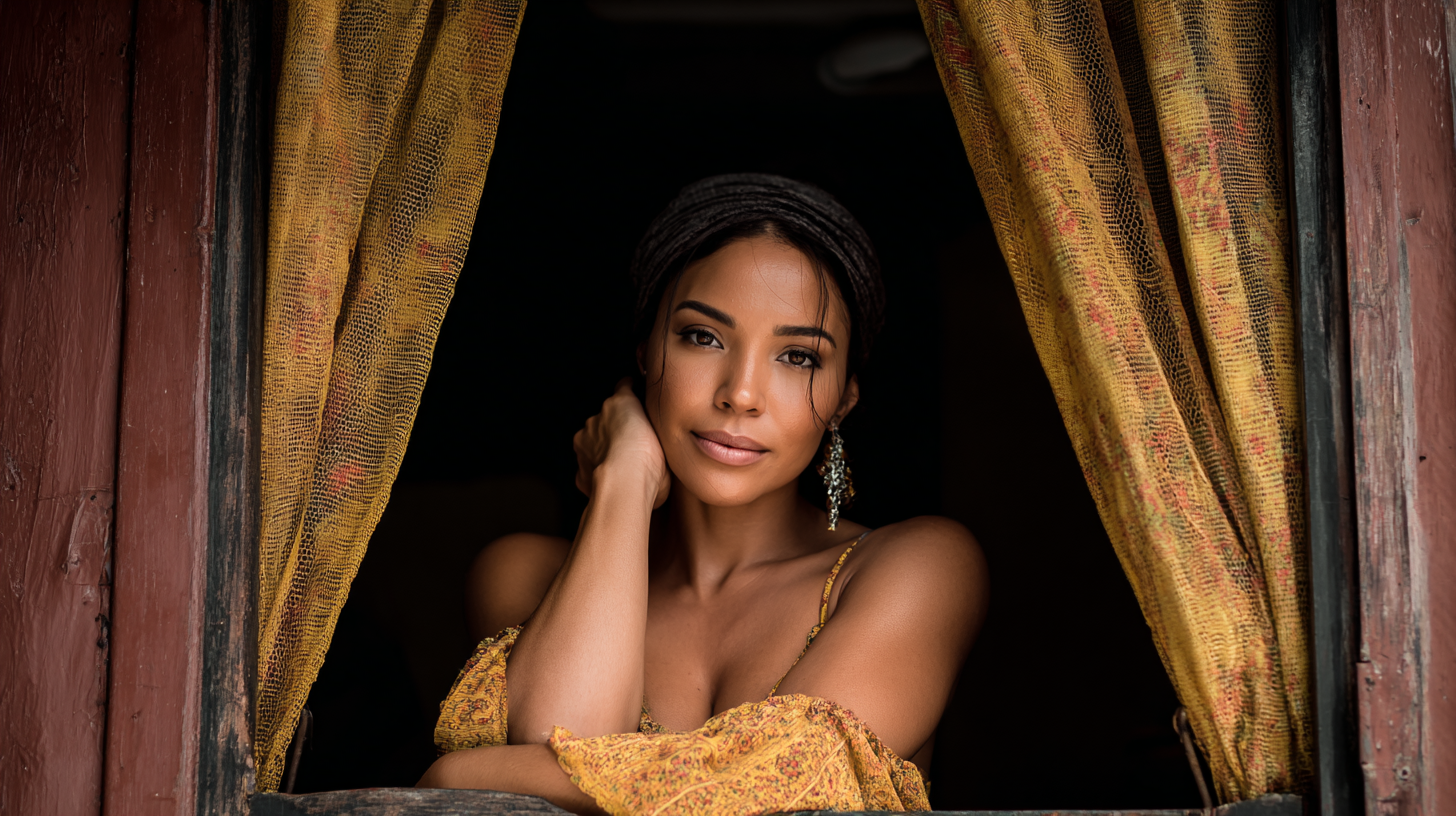
I don’t know how to explain the first moment I noticed the variety of faces here. It hits you quietly. One woman has strong cheekbones and sharp jaw lines; another has a softer face, rounded temples, and a wide smile that turns people around in a room. Both are unmistakably Venezuelan, both fit into Venezuelan beauty standards, yet neither match a single category used elsewhere.
That diverse heritage I mentioned earlier shows more clearly in facial structure than anywhere else. It’s an everyday reminder that this country has been a crossroads of people for centuries. Spanish shape, African cheekbones, Indigenous depth in the eyes, Caribbean warmth all at once, not forced, not curated. Just real.
When I dated Isabella, I used to tell her that she could say more with her eyebrows than most people say with full sentences. The expressions here matter. Women use their eyes, their mouth, their tone, their whole face when they talk. Expression is part of beauty. Not silent posing. Real communication written right across the features. That’s part of the stunning appearance people around the world point to when they wonder why Venezuelans are so beautiful.
Then there’s the ease. Even the most photographed, selfie-ready woman doesn’t freeze her face into that static influencer look you see online. She laughs with her whole mouth, squints, gestures, and reacts. Personality pours through. The face doesn’t hide. It participates. That’s a huge part of the visual impact.
Some nights in Caracas I’d be out with friends, and half the beauty wasn’t even in the symmetry — it was in animation. The way someone reacts to a joke, the bright lift of an eyebrow, that flash of real, uncontrolled joy. That’s what stays in your mind long after the person leaves the room.
You can call it captivating charm or you can just call it real presence. Either way, it’s impossible to ignore once you’ve lived here long enough to see it every day.
Long, Voluminous Hair
If there’s one thing men notice immediately here—before the curves, before the eyes, before anything—it’s the hair. Thick, rich, swinging in the heat, sometimes straight, sometimes wild, sometimes curled from humidity and not caring one bit. You walk down a street in Valencia and see three women in a row with that classic Venezuelan hair texture people abroad try to copy with expensive salon treatments. Here, it’s just… how they wake up.
Most beautiful Venezuelan women don’t obsess over styling products. A little oil, maybe coconut or argan, a brush, a blowout on Fridays before going out with friends. Salons are social hubs, not luxury destinations—places where women talk with stylists about cousins, music, politics, neighborhood gossip. Hair gets touched up while people laugh, not while someone sits in silence staring at their reflection.
When I dated Andreína, she once showed up late to meet me at a café in Maracaibo, hair slightly frizzed from the heat, and apologized like she’d ruined her morning. I thought she looked better like that—alive, unfiltered. Venezuelan hair has volume even when it tries not to. Even ponytails look full. Even short cuts have bounced. It’s the humidity, the genetics, the diverse heritage, the easy confidence that comes from knowing women here are raised to treat hair not as pressure but as identity.
There’s style too—bold color streaks during holidays, sleek dark waves for workdays, braids during travel, loose curls for Sunday lunch. Hair isn’t an accessory; it’s part of personality. Not overly polished, just undeniably present. It’s one of the biggest answers to why Venezuelans are so beautiful without needing some dramatic explanation.
Expressive, Captivating Eyes
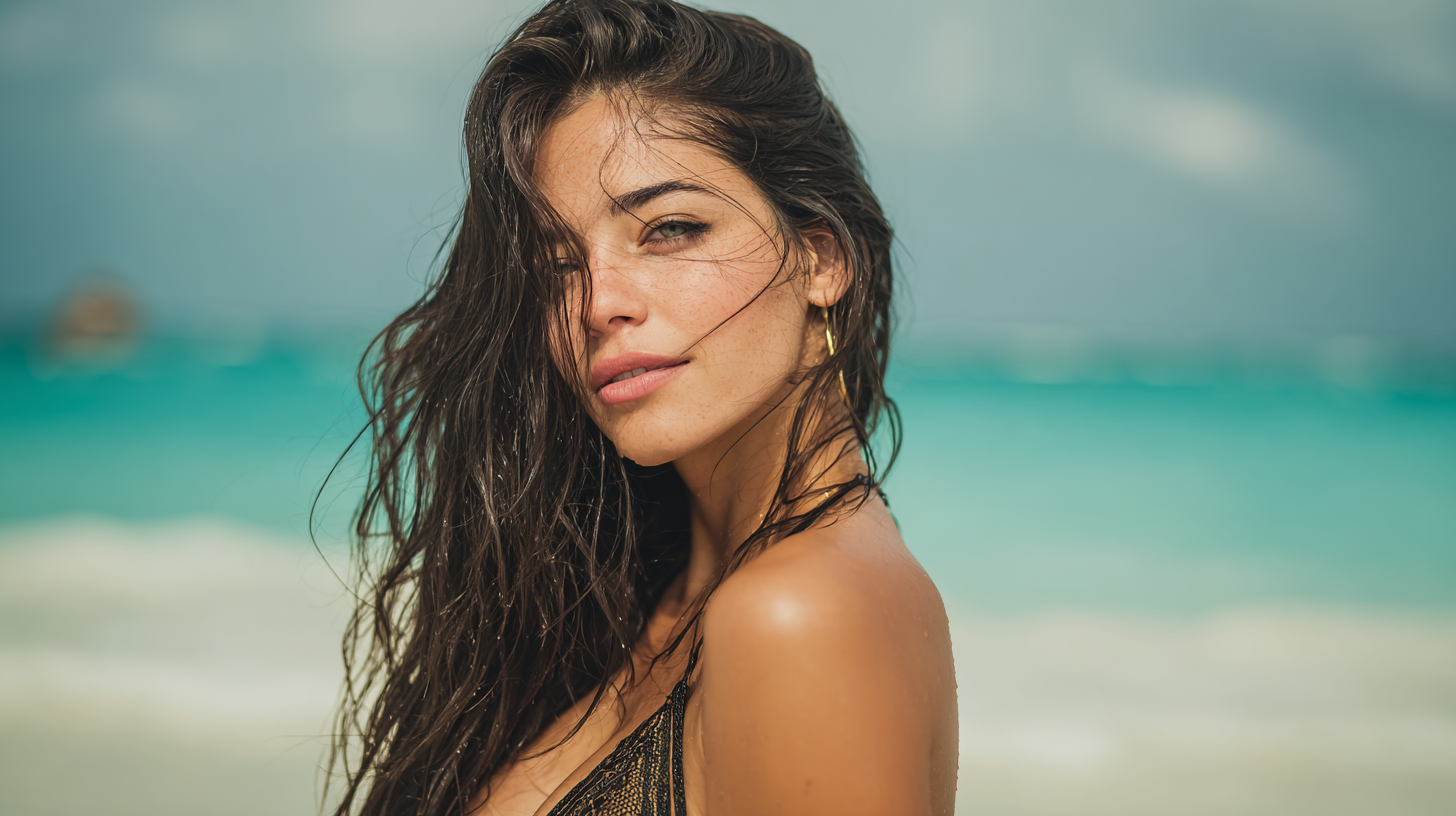
If you’ve never had a Venezuelan woman look straight at you in conversation, prepare yourself. I’m not shy. It’s not coy. It’s direct, warm, and impossible to ignore. Eyes are not just windows to emotion here—they’re full-on communication devices. They tell you when she’s amused, annoyed, interested, or tired before she says a word.
I remember a moment with Isabella during a storm in Caracas. Power went out mid-video call. The screen came back flickering, pixelated, and all I could see clearly were her eyes lit by candlelight. No filters, no edits, just intensity and humor staring back at me like, “This is life here… but I’m still here talking to you.” That’s captivating charm, not the Hollywood type, just real expression.
You see it on buses, in bakeries, at offices: a look that feels alive. It’s part cultural, part emotional rhythm. Venezuelan women don’t hide their reactions. You tell a joke, and it shows. You say something clumsy in Spanish, and there’s that instant spark of amusement. They don’t freeze their faces to maintain a “perfect” image. They live in their expression.
Eye makeup exists, sure, but not the heavy theatrical type. Often just light liner or mascara to frame what already stands out. When people talk about stunning appearance in Venezuela, they usually mean the eyes first. The silent confidence. The direct connection. That micro-second of recognition in public spaces where someone looks up and acknowledges you, not as a stranger but as another person sharing the street.
Those eyes carry heritage too—African depth, European shape, Indigenous softness. Mixed, unique, always noticeable. They’re a huge part of what defines Venezuelan beauty standards and what makes people abroad ask again and again why Venezuelans are so beautiful.
Perfectly Balanced Body Shapes
If your entire image of Latin American beauty comes from exaggerated curves in music videos, wipe it clean. The real Venezuela beautiful woman’s body shape is balanced. Natural curves, yes, but not sculpted in gyms, not inflated, not surgically forced into cartoon form. Walking culture, dancing at gatherings, constant movement, outdoor weekends—these shape the body more than any fitness program ever could.
Women here don’t obsess over calorie counting. They eat real food: arepas, grilled meats, fresh fruit, street empanadas. And somehow, bodies stay proportionate, confident, relaxed. Beauty isn’t starved into place, and it isn’t inflated either. It lives in everyday rhythm.
I remember dancing at a family birthday in Barquisimeto. Everyone moved with ease. Not a planned fitness dance class—just music, heat, laughter, motion. All ages, all shapes, and still that recognizable Venezuelan posture: upright, grounded, feminine without trying. You understand in those moments why discussions about Venezuelan beauty standards focus on balance, not extremes.
A beautiful Venezuelan woman doesn’t walk like she’s performing. She walks like she belongs to her body. That’s rare. In the U.S., women often feel pressured to chase one specific image. Here, the spectrum of beauty is wider. Smaller frames, fuller frames, hourglass shapes, athletic builds—it all counts. Natural curves aren’t celebrated because they’re trendy. They’re just part of life.
And there’s something else: energy. When a woman feels comfortable in her body, you feel it before you see it. That sense of calm in her movement adds to the visual appeal more than any dress, any brand, any contouring technique.
If someone asked me again why Venezuelans are so beautiful, I’d say this part matters as much as hair or skin or eyes: they inhabit their bodies fully, without apology, without performance.
Vibrant, Healthy Complexion
Spend one afternoon in Venezuela and you’ll realize the country has its own built-in filter. Sunlight hits differently, especially in coastal cities. Women walk around with a skin tone that looks naturally warm, like it carries its own quiet glow even without highlighters or contouring. Travelers ask me all the time is Venezuela beautiful, but what they really mean is: how do the women look this effortlessly alive?
Part of it is the weather. Heat opens pores, humidity softens skin, and the local diet does the rest. Fruit isn’t a diet trend here — it’s just food. Mango, guava, papaya, coconut water, passionfruit juice sold from street carts. Women snack on nutrients Americans buy in supplement bottles. Add outdoor living — beaches, late sunsets, walks, family gatherings on balconies — and you get a population with skin that reflects constant fresh air and movement.
I used to joke with Isabella that she glowed more after running errands than I did after a spa day in Chicago. She’d laugh and say, “It’s just the sun, Michael.” But it’s not just sun. It’s easy. Women don’t fight their complexion with heavy makeup layers. That gives the face room to stay clear, bright, familiar. When you see beautiful Venezuelan women on the street, you don’t see cosmetic camouflage — you see texture, warmth, lived reality.
That calm relationship with one’s own face changes a person’s entire visual impression. Instead of treating skin as a project, women here treat it as a part of daily life. Less fear of aging, less panic about imperfections, more acceptance of what grows naturally in this climate. That’s a big piece of the answer to why are Venezuelans so beautiful — not the features, but the way they inhabit and trust their features.
Naturally Radiant Skin
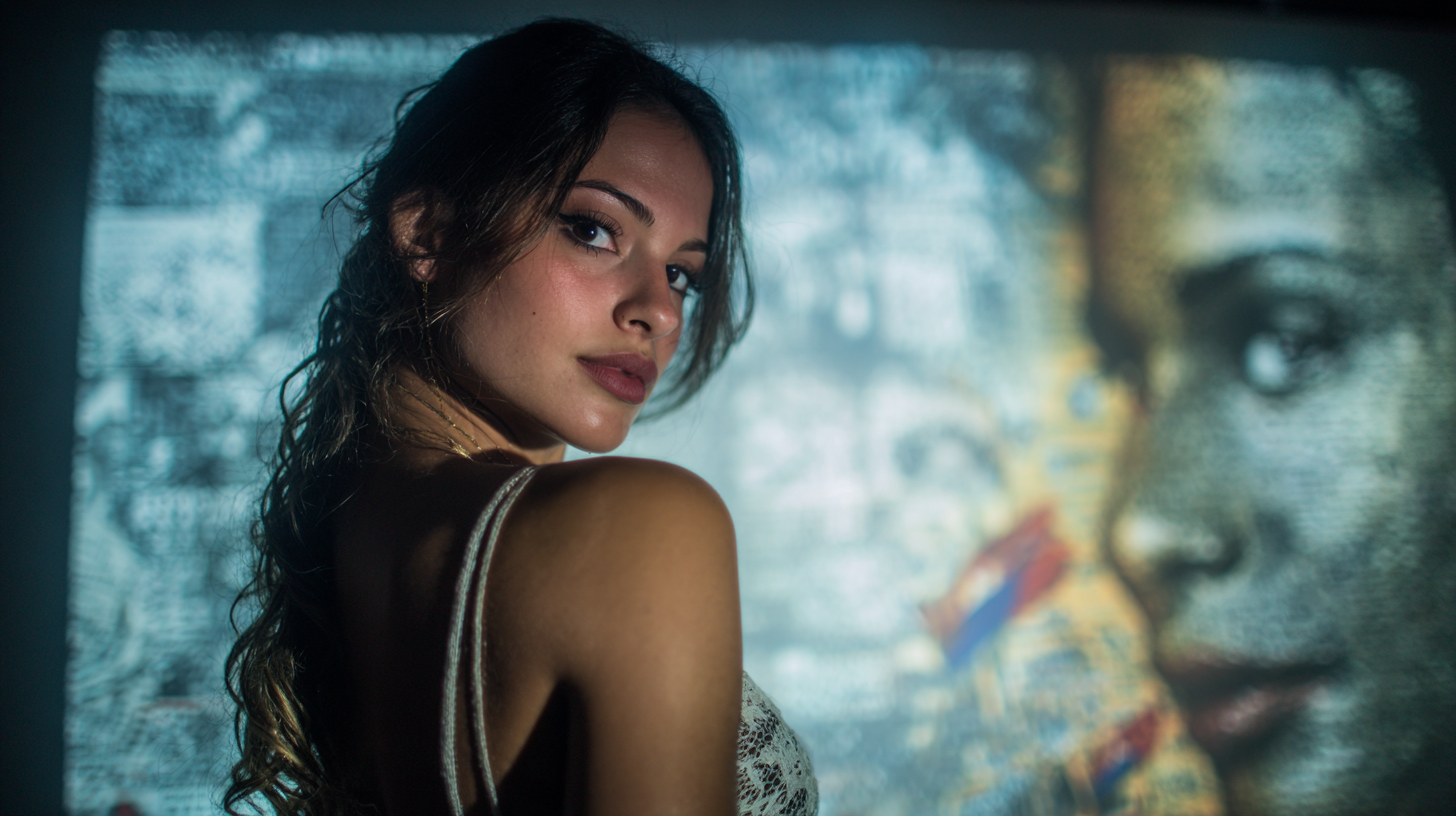
I’ve met women who swear by expensive creams in New York, but down here the ritual looks different. It happens at home, at small neighborhood salons, in kitchens where grandmothers mix simple masks with honey, oatmeal, and aloe. Homemade remedies aren’t nostalgia here — they’re normal. And they work. That’s why glowing skin isn’t a goal, it’s just something you see everywhere.
In my first few months in Maracaibo, I noticed how many women skipped foundation altogether. Not because they reject beauty products — they just don’t need to correct much. Even when they do wear makeup, the application is light, almost invisible, designed to let the skin speak for itself. That relaxed approach is part of beauty standards in Venezuela, where radiance is considered better than perfection.
The skin also benefits from movement. It’s hard to sit still here. Social life happens outside: street music, late talks, café patios. Sunlight, sweat, water, repeat. Hydration isn’t a wellness trend — it’s a necessity. Fresh coconut water, cold juices, ice-filled soda bottles on hot days. Skin responds to that routine. Less dryness, more natural elasticity.
Once I sat on a plaza bench watching families come and go. Three generations passed by: grandmother, mother, teenage daughter. All three had the same warm shine on their faces, no salon treatments, no filters, just lineage. That’s what beautiful Venezuelan women carry: inherited radiance that doesn’t need instruction.
When people ask again why Venezuelans are so beautiful, I think of those everyday scenes — heat, fruit, laughter, sweat, time outdoors — and it makes sense.
Stunning Facial Features
Walk into a Venezuelan bakery in the morning and you’ll see more striking faces in ten minutes than some cities show in a year. Not exaggerated beauty, just memorable. Every time I describe Venezuela’s beautiful woman features, I end up sounding like I’m listing contradictions. Because there are no fixed lines here.
Sharp cheekbones beside soft smiles. Wide-set dark eyes next to slender bright ones. Caribbean brows, European jawlines, Indigenous cheek structures, African depth. That diverse heritage forms something you don’t see in places with more uniform ancestry. Beauty arrives in multiple versions, none predictable.
I dated a woman in Mérida who had the lightest freckles I’ve ever seen under tropical light. Then another in Valencia whose face held such calm symmetry that strangers actually turned twice. And then Isabella — wide, full smile, eyes that delivered meaning faster than language could. No makeup tricks. Just expression and confidence.
That’s the thing: facial beauty here isn’t frozen. Women animate their features. They react fully. When they’re amused, the whole face participates. When they’re annoyed, eyebrows tell you before the voice does. That open expressiveness is part of the local visual identity. It’s not shy or calculated. It’s alive.
So when a traveler asks why Venezuelans are so beautiful, I picture all those faces moving through air that’s too humid for restraint, laughing in markets, negotiating prices with fruit sellers, greeting friends on sidewalks. Stunning isn’t stage beauty. It’s eyes that meet yours directly, cheeks warmed by sun, features shaped by history more than cosmetic design.
That’s the beauty foreigners notice and can’t quite describe — familiar yet rare, grounded yet impossible to forget.
Long, Voluminous Hair
There’s a moment every foreign man experiences in Venezuela: he turns a corner, ordinary afternoon, people walking, vendors shouting prices, buses rumbling — and suddenly he sees hair. Not styled for a photoshoot. Not curled to perfection. Just naturally full, thick, unapologetically present. That’s when you understand what people mean when they talk about beautiful Venezuelan women and their unmistakable presence.
Hair here doesn’t hide. It moves. Even tied back, you see weight and shine. That volume isn’t salon magic either. It’s climate, genetics, and routine. Women grow up with home remedies instead of aisles of expensive products. Coconut oil rubbed through strands at night, aloe gel after sun days, shampoo brands chosen because grandma swore by them, not because an influencer posted a discount code.
When I was dating Andreína in Maracaibo, she’d joke that her hair got bigger with every hour of humidity. She’d pull it into a bun, it would explode back into waves within minutes, and she’d just shrug. No panic. No fight. Hair here belongs to the weather as much as to the woman wearing it. That effortless acceptance is its own form of beauty.
Salons are everywhere, but not in that exclusive “appointment only” way. They’re gathering spots. Women go together, chat, pick styles, drink coffee, laugh with stylists they’ve known for years. Getting a blowout before a night out isn’t vanity — it’s cultural rhythm. Look good, feel good, enjoy the evening, dance if music finds you.
There’s also variety you don’t get elsewhere. Straight, wavy, deep curls, lighter streaks, jet-black shine, caramel undertones — the diverse heritage of the country shows up strand by strand. Hair isn’t a performance. It’s presence, identity, movement. That’s one more reason people ask why Venezuelans are so beautiful and never quite find a simple answer.
Expressive, Captivating Eyes
I’ve said it before and I’ll say it again: if you’ve never been held in a Venezuelan woman’s gaze, you don’t yet understand Venezuela beauty standards. Eyes here are communication, language, personality, humor, challenge, and invitation all at once.
I remember one evening in Caracas with Isabella when the power cut out, lightning storm overhead, the city humming in darkness. We lit two candles. And in that dim light, her eyes were sharper, more honest than any HD call ever showed me. No filters. No fixes. Just expression, raw and direct. That’s captivating charm — not staged, not staged.
Women in Venezuela don’t mute their reactions. If something surprises them, you’ll see it instantly. If something irritates them, eyebrows shift. If they’re amused, the whole face warms. When they’re interested in someone, the eyes soften, linger a second longer, check you again when they think you’re not looking. It’s subtle but unmistakable.
What sets them apart isn’t just shape or color. It’s participation. European contour, Afro-Caribbean depth, Indigenous softness — all swirling through the gaze in a way that answers the question why are Venezuelans so beautiful without saying a word.
Makeup exists but isn’t a mask here. A bit of liner, maybe mascara, maybe nothing. Women trust their eyes to speak. Walking through plazas, markets, metro stations, you’ll notice that. You feel seen — not judged, not measured, just seen.
For foreign men, that can be disarming. American dating often trains people to play it cool, avoid eye contact, pretend nothing matters. Venezuela does the opposite. Attention is given freely. Expression isn’t rationed. Beauty isn’t blank.
So yes, hair draws the first glance. But the eyes keep you in the conversation long after.
Conclusion
No fancy wrap-up, just what I’ve seen over years of living, dating, sweating through tropical heat, and learning from the women who shape this place every single day.
If someone asks why Venezuelans are so beautiful, the truth is layered but not complicated. It’s the climate, the food, the heritage, the confidence, the social rhythm, the comfort with who they are, the ability to be seen without performing. It’s beauty standards in Venezuela, sure — but it’s also a daily casual grace that happens at fruit stands, on buses, in plazas, in laughter-filled salons.
A beautiful Venezuelan woman isn’t trying to be exceptional. She just is — by existing in a culture that never taught her to shrink.
 Find the best bride now...