


Introduction
If you’ve ever dated a Venezuelan woman—or even just tried to flirt with one online—you already know that love language is different here. It’s not cold, it’s not shy, it’s not something they hide behind layers of formality. Romantic words are part of daily life, like coffee, music, and the kiss on the cheek you get even if you’ve only met her twice. When guys ask me what Venezuelan flirting phrases sound like, I tell them: warm, direct, steady, and full of intent.
When I first started messaging Isabella, I remember thinking she was “too romantic too soon,” but then I realized that’s just the normal Venezuelan tone. Attention isn’t rationed. If she likes you, she’ll tell you. If she misses you, she’ll say it. The average Venezuelan woman doesn’t sit around wondering if she’s texting too much; she texts because she feels something, and the language reflects that.
So this guide isn’t about cheesy pickup lines. It’s about the real phrasing Venezuelans actually use: simple, affectionate, rhythmic. When you learn how they say “I love you in Venezuela”, or how they compliment someone they truly care about, you start to understand the culture better. And trust me, if you use even one phrase correctly—with solid pronunciation—you’ll see her smile shift instantly. That’s when you realize these aren’t just translations; they’re relationship tools.
Common Romantic Phrases
(Native phrase + translation + pronunciation guide + brief context)
These are the lines you’ll see the most in texting, casual voice notes, late-night calls. They’re soft but not vague, emotional but not dramatic. Think of them as the everyday backbone of venezuela love sayings.
-
“Mi amor”
English: My love
Pronunciation: mee ah-MOR
Used when things feel comfortable but not yet serious. Could be day three or month six. Venezuelan women throw this phrase naturally, sometimes even with friends when affection is genuine but not romantic. If she calls you mi amor early on, don’t panic—she’s not proposing, she’s just Venezuelan.
-
“Te extraño”
English: I miss you
Pronunciation: teh ex-TRAN-yo
This hits harder than the English version because it sounds both emotional and everyday. If she says te extraño after a busy day, she means it. Not exaggerated, not poetic, just honest. It’s one of those Spanish love phrases that works smoothly without feeling heavy.
-
“Me haces falta”
English: I need you / I feel your absence
Pronunciation: meh AH-ses FAL-ta
Stronger than te extraño. Used when emotions deepen. Isabella said this to me after two weeks of daily video calls, and I remember feeling like I’d accidentally walked into a real relationship. That’s the Venezuelan pace—emotion first, hesitation later.
-
“Eres especial para mí”
English: You’re special to me
Pronunciation: EH-res es-peh-SYAL pah-rah MEE
Perfect for early romance. Not an “I love you,” not a friendship line—somewhere right in the sweet zone.
-
“Quiero verte”
English: I want to see you
Pronunciation: KYEH-ro VEHR-teh
You’ll hear this often, especially in WhatsApp voice notes. Simple desire. Not intense. Just clear. Venezuelan dating doesn’t hide interest—quiero verte is flirting, planning, and emotional presence all in one sentence.
Compliments for Romantic Situations

(Native phrase + translation + pronunciation + when to use it)
These are your go-to lines when she sends a selfie, dresses up for a date, or just looks stunning on a random Tuesday while buying arepas. Venezuelan women are used to being complimented, but not in a creepy or forced way. Tone matters.
-
“Estás preciosa”
English: You look gorgeous
Pronunciation: es-TAS preh-SYO-sa
Light tone, warm delivery. Use when she sends a photo where she clearly puts in effort but isn’t trying too hard.
-
“Me encanta tu sonrisa”
English: I love your smile
Pronunciation: meh en-KAN-ta too son-REE-sa
This line never fails. Romantic Spanish phrases for her hit hardest when they talk about genuine traits instead of body parts. Smile = safe, flattering, universal.
-
“Qué linda estás hoy”
English: You look beautiful today
Pronunciation: keh LEEN-da es-TAS oy
Softer than preciosa. Appropriate for early dating, casual texting, or when she’s wearing jeans and a ponytail at the fruit stand.
-
“Eres tan dulce”
English: You’re so sweet
Pronunciation: EH-res tan DOOL-seh
Good for calm moments, post-date voice notes, or when she sends supportive messages. Not physical, just sincere.
-
“Tu energía me encanta”
English: I love your vibe / I love your energy
Pronunciation: too eh-ner-HEE-ah meh en-KAN-ta
This one feels modern. It compliments her presence, not just her looks, and shows you get Venezuelan dating culture where personality matters as much as beauty.
Deeper Emotional Expressions
This is the category most Americans struggle with. Not because the Spanish is hard, but because Venezuelan emotion lands faster, warmer, and without the cautious pacing you might be used to. Once a woman trusts you, she’ll speak like she means it—no filters, no “just wanted to check in.” Real feelings, real voice notes, real words.
“Te amo”
English: I love you
Pronunciation: teh AH-mo
This is the serious version, not casual, not flirty. Used in long-term relationships, or when two people have already crossed that emotional line. Don’t drop it in week one unless she said it first and she truly meant it.
“Estoy contigo de verdad”
English: I’m truly with you
Pronunciation: es-TOY kon-TEE-go deh ver-DAD
She might say this when things get difficult—family stress, distance, delays in travel plans. It isn’t poetic, just grounded affection.
“No quiero perderte”
English: I don’t want to lose you
Pronunciation: no kyeh-ro per-DER-teh
Not dramatic, just direct. Venezuelans aren’t shy about attachment. When Isabella said this during our long-distance stretch, it hit me harder than a dozen English love lines.
“Mi corazón es tuyo”
English: My heart is yours
Pronunciation: mee koh-rah-SON es TOO-yo
More classic, you’ll hear it in songs, radio dedications, and late-night WhatsApp voice notes. It sounds big, but if she says it, she means it.
Flirty and Playful Phrases
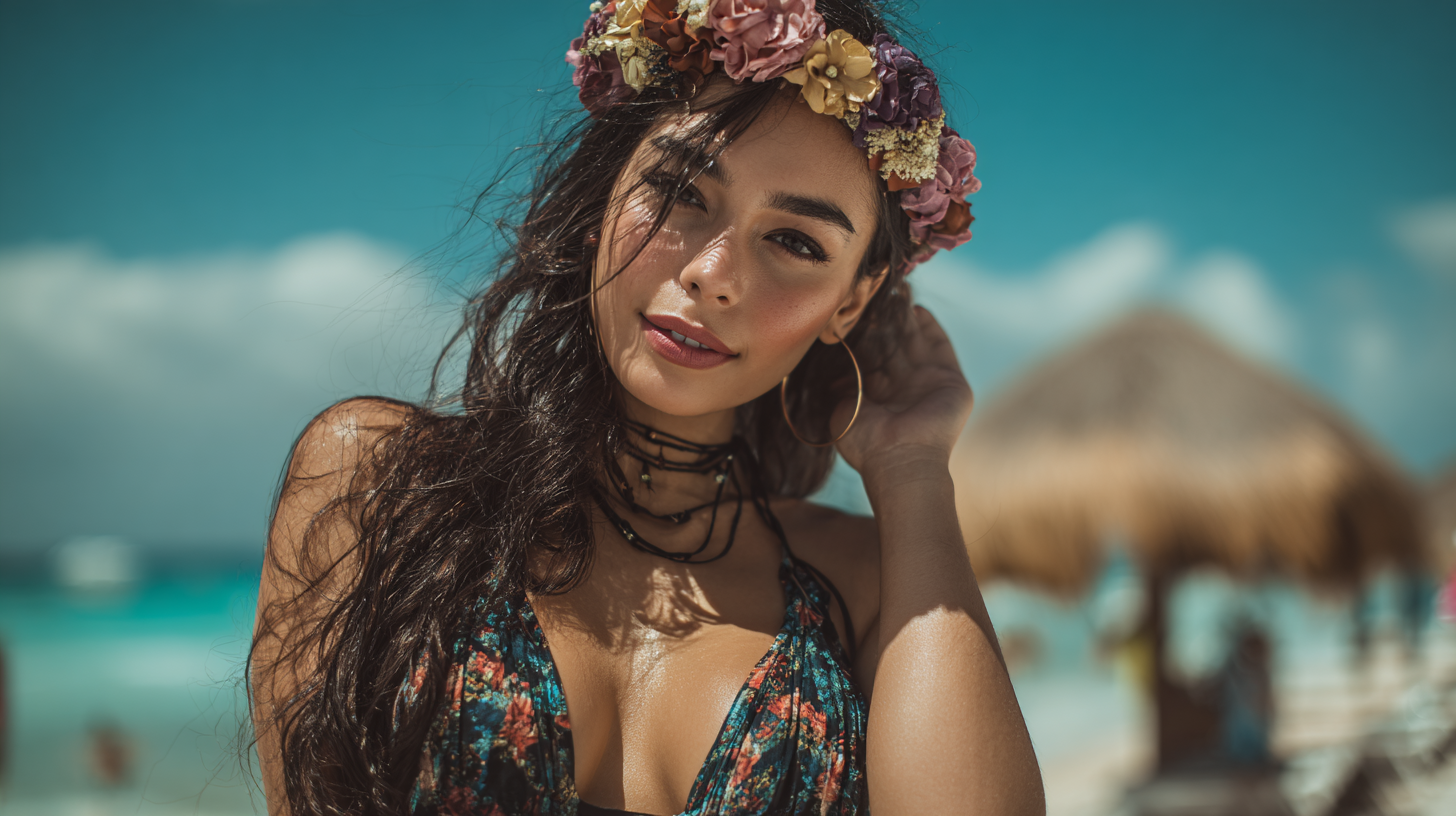
Flirting here isn’t coy. It’s fun, a little teasing, a little bold. Venezuelan women don’t wait for you to initiate every compliment. They flirt like they dance—present, relaxed, slightly mischievous.
“Me estás provocando”
English: You’re tempting me
Pronunciation: meh es-TAS pro-vo-KAN-do
Flirtation with a wink, not bedroom-level intensity. Works when she sends a cute selfie or a playful voice note.
“Así me gustas”
English: I like you like this
Pronunciation: ah-SEE meh GOOS-tas
Said when she finds your mood or appearance attractive. Doesn’t need explanation—she’ll deliver it with a grin you can hear through the phone.
“No juegues conmigo”
English: Don’t play with me
Pronunciation: no HWE-ges kon-MEE-go
Half-joke, half-warning. Used when the flirting reaches that sweet line before seriousness.
“Te dejo si sigues así”
English: I’ll leave if you keep being this cute / charming
Pronunciation: teh DEH-ho see SEE-ges ah-SEE
This sounds like a threat but it’s pure Venezuelan humor, the kind that feels like affection disguised as complaint.
Flirting here is rhythm, not effort. You’re not constructing lines, you’re responding to energy. Voice notes have more impact than typed emojis, which is why Venezuelan flirting phrases feel more alive than anything you’ve heard in high-school Spanish class.
Regional Variations in Romantic Language
Venezuela hasn’t a single romantic accent. Caracas flirts differently than Maracaibo, and Andean towns speak a smoother, slower Spanish. If you’re dating online, you’ll hear the differences right away.
Caracas — “Mi cielito”
English: My little heaven / my sky
Pronunciation: mee see-EH-lee-to
A softer twist on mi cielo. Capital city slang tends to clip the ends of words, but romantic lines stay intact, sweet.
Maracaibo — “Preciosa, vos sí sabes gustar”
English: Gorgeous, you really know how to charm
Pronunciation: pre-SYO-sa, vos see SAH-bes goos-TAR
Zulianos use vos instead of tú. Warmer, thicker accent, flirtatious by default. Even grocery talk sounds romantic.
Valencia — “Chama, me tienes pensando en ti”
English: Girl, you’ve got me thinking about you
Pronunciation: CHA-ma meh TYE-nes pen-SAN-do en tee
Chama is casual, youthful, and affectionate. Works in texting, never in formal introductions.
Andes (Mérida / Táchira) — “Mi vida, qué alegría escucharte”
English: My life, what a joy to hear you
Pronunciation: mee VEE-da keh ah-leh-GREE-ah es-koo-CHAR-te
Andean Spanish flows slower, calmer, clearer—romantic comfort without heat.
Regional phrasing changes the flavor but not the message. Whether it’s coastal boldness or mountain gentleness, Venezuelan expressions in love always carry presence, warmth, and just enough confidence to make a U.S. guy blush on the other side of the screen.
Love Phrases in Venezuela Media
If you’ve ever watched Venezuelan telenovelas, you already know the dialogue is half confession, half poetry, and zero hesitation. Love is performed openly, not whispered behind emotional walls. That’s why so many Venezuelan expressions circulate through songs, series, and old-school radio dedications.
Here are the phrases you’ll hear constantly in Venezuelan media, usually delivered with dramatic pauses, slow camera zooms, and music swelling in the background.
“Te amaré por siempre.”
English: I will love you forever
Pronunciation: teh ah-ma-REH por SYEM-preh
Telenovela classic. Said when lovers reunite after betrayal, storms, long-distance stretches, lost memory plots… you get the idea. Emotional weight, no sarcasm.
“No existe nadie como tú.”
English: There’s no one like you
Pronunciation: no ex-EES-teh NA-dyeh ko-mo too
The line shows up in pop ballads and salsa hits. It’s intense but used seriously, not casually sent in text at midnight because you’re bored.
“Eres mi destino.”
English: You are my destiny
Pronunciation: EH-res mee des-TEE-no
Big language, no apology. Venezuelan songs aren’t shy about fate. When a character says it on TV, they mean commitment.
“Mi corazón te pertenece.”
English: My heart belongs to you
Pronunciation: mee koh-rah-SON teh per-teh-NE-seh
Radio request show staple. If someone dedicates a song and adds this line, it’s deep territory.
In music especially, Spanish love phrases and poetic love sayings don’t feel cheesy. Lyrics might sound dramatic to American ears, but here they’re just emotional vocabulary. Nobody rolls their eyes when a singer cries into a mic declaring eternal love. It’s part of the national sound.
Pronunciation Tips for Non-Native Speakers

If you’re going to use romantic Spanish phrases for her, sound human. Don’t overthink perfect accent marks. Venezuelans care more about warmth than precision. Still, a few tips go a long way.
Soft S.
Locals smooth the S sound. Not sharp like Spain. Think mi amor, not mi a-MORRR.
Drop the “D” slightly in softer speech.
“Cansado” becomes “canção.”
Not lazy—just natural rhythm.
Avoid rolling the R aggressively unless you’re confident.
Over-rolled R turns romance into cartoon. Keep it simple. Short, light.
Say phrases slower than you think.
Love language lands better when it’s not rushed. Americans often get nervous and speed through lines like te extraño. Slow down and let the sound carry.
Voice tone matters more than syllable perfection. Venezuelans tune into feeling, not strict grammar. If you’re nervous, say so. A simple: “Estoy practicando, pero me gustas mucho” (I’m learning, but I really like you) earns more points than flawless delivery with zero warmth.
Cultural Etiquette for Using Love Phrases
This part matters more than pronunciation. Venezuelan dating runs on emotional availability, not slow testing. Women express affection early. They expect response, not silence. If you ignore a loving phrase because you “don’t know how to reply,” she’ll assume you’re not interested.
Don’t use Venezuelan flirting phrases too early if you can’t handle the follow-through.
If you tell her “Eres especial para mí” (you’re special to me), she’ll take it seriously—not as a cute line.
Match her rhythm, don’t mimic it.
If she sends a soft affectionate message, respond with a genuine tone, not a copied telenovela sentence.
Compliments should land respectfully. Venezuelan women are used to being admired, but they can detect exaggeration instantly.
A simple “Me encanta escucharte” (I love hearing you) feels more real than a dramatic monologue.
Avoid using Spanish romantic phrases as if they’re tricks.
These aren’t “unlock affection” codes. They’re relationship currency. Use them because you feel something, not to get approval.
And one more thing I learned the hard way: never send deep expressions right before disappearing for a week. Venezuelan dating culture runs on presence. If you say “Me haces falta,” she’ll expect steady communication afterward.
Affection isn’t a performance here. It’s daily behavior. Morning voice notes. Evening check-ins. Soft lines casually dropped between errands. When you respect that rhythm, the phrases don’t just translate—they connect.
Phrases to Avoid
When you’re learning Venezuelan flirting phrases, it’s easy to get excited and go too far too fast. I’ve seen guys copy dramatic movie lines, drop them on a Venezuelan girl they’ve known for six days, and then wonder why she suddenly replies with one-word answers. It’s not that Venezuelan women hate intensity—they simply hate the wrong kind of intensity.
Avoid phrases that sound either desperate, ownership-based, or overly poetic for early interaction.
“Eres mía.”
English: You’re mine
Pronunciation: EH-res MEE-ah
This one feels territorial, and unless you’ve been together long enough to use it jokingly, it lands poorly. Venezuelan women value emotional closeness, not control. I once said this to a woman I’d been seeing for two weeks, thinking it sounded sexy. She politely corrected me: “Soy tu novia, no tu propiedad.” (I’m your girlfriend, not your property.) Lesson learned.
“No puedo vivir sin ti.”
English: I can’t live without you
Pronunciation: no PWE-do vee-VEER seen tee
Even in telenovelas, this appears only after a breakup episode and dramatic music. Using it too soon feels manipulative or melodramatic. In Venezuelan culture, affection should lift, not suffocate.
“Eres la única mujer verdadera.”
English: You’re the only real woman
Pronunciation: EH-res la OO-nee-ka moo-HER ver-da-REH-ah
Trying to elevate her by tearing down everyone else isn’t flattering. Venezuelan women are already used to good attention—they don’t respond well to comparisons that sound insulting or forced.
“Dime que serás mía para siempre.”
English: Tell me you’ll be mine forever
Pronunciation: DEE-me keh seh-RAS MEE-ah pah-rah SYEM-pre
Feels like a contract, not a compliment. Beauty here is celebrated daily, not locked into forever-promised language on date three.
Avoid overly poetic lines you pulled from Google. They make you sound like a tourist trying to perform romantic Spanish instead of speaking to a woman. Your tone should be human, not dramatic radio announcer. If you want her attention, don’t imitate a soundtrack—listen, respond, match her energy.
Conclusion
Venezuelan love language isn’t shy, but it isn’t theatrical for the sake of display either. Romantic lines are alive here—spoken over bad Wi-Fi, sent in WhatsApp voice notes, whispered in taxi rides, said during coffee runs. They show interest, humor, presence, and the kind of emotional honesty that makes long-distance dating feel real instead of virtual.
If you learn Venezuelan love sayings or soft romantic Spanish phrases for her, don’t treat them as tricks. They’re tools for connection. Use them with sincerity, patience, timing, and an ear tuned to her mood. The culture rewards men who speak openly but respectfully, who show affection without turning it into a dramatic stage act, who text back even when life gets busy.
Love phrases in Venezuela aren’t decorations—they’re daily communication. If you understand when to speak, how to speak, and when to hold back, the language stops feeling like foreign vocabulary and starts feeling like relationship oxygen.
 Find the best bride now...